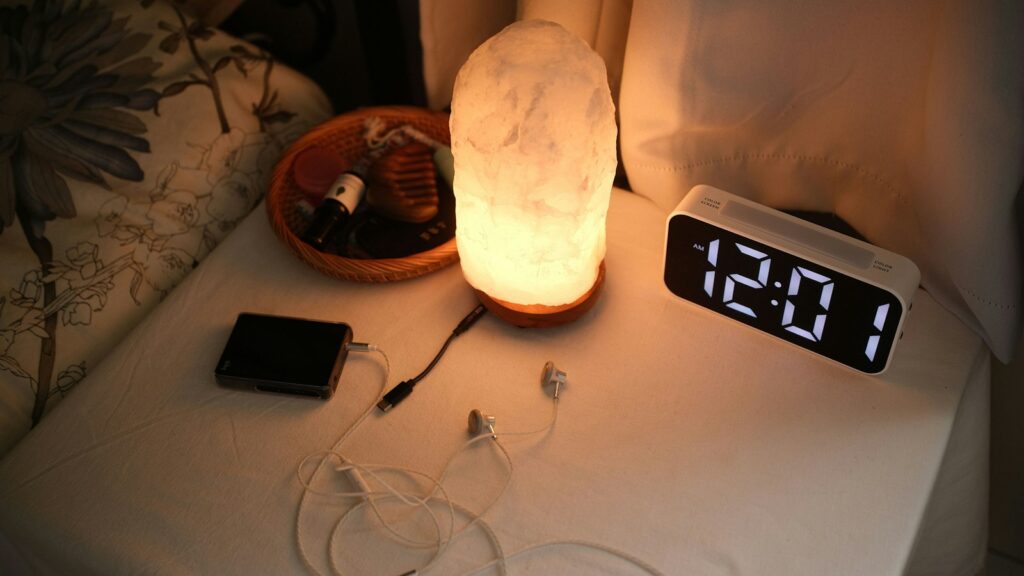
Most Americans get an extra hour on the clock this Sunday. Daylight saving time ends on November 1, 2026, at 2 a.m. local time, when clocks turn back to 1 a.m.
The National Institute of Standards and Technology (NIST) confirms the date. For households in areas making the switch, the useful reminder is simple: fall back, not forward.
The hour from 1 a.m. happens twice
The change takes place at 2 a.m. in each participating time zone, rather than at one simultaneous moment nationwide. The clock repeats the previous hour, marking the return to standard time.
If you use a clock that needs manual adjustment, set it back one hour before bed on Saturday, October 31, or when you wake up Sunday.

Hawaii and most of Arizona stay put
The change does not apply everywhere. Hawaii and most of Arizona do not observe daylight saving time. The Navajo Nation does observe it, including its territory in Arizona, according to NIST.
The U.S. Department of Transportation also lists Puerto Rico, the U.S. Virgin Islands, Guam, American Samoa and the Northern Mariana Islands among the places that do not observe daylight saving time.
Check settings before moving your phone’s clock
Many phones and computers update automatically, NIST notes. Check the displayed time and automatic time-zone settings before making a manual adjustment, so you do not turn an already-correct clock back again.
For a reliable reference on Sunday, compare your clock with official U.S. time. Give manually set alarm clocks, car clocks and household appliance clocks a separate check.
Earlier sunsets on the clock
Returning to standard time shifts an hour of daylight from evening to morning by the clock. It does not create or remove an hour of sunlight.
If you have an overnight journey or an appointment during the repeated hour, confirm the intended time with the operator or organizer.
Sources: NIST daylight saving time rules, NIST local time FAQs and U.S. Department of Transportation.
Read also: Your test results are online. But what do they actually mean?